The new smartphone market is contracting. Shipments fell nearly 14% year-on-year in 2026, driven by a memory cost spike of close to 300% that pushed average new device prices to a record $550 — up $100 in just twelve months. Manufacturers have quietly exited the sub-$200 segment entirely.
For phone refurbishers and recyclers, that is not a problem. It is an opening.
The secondary market is growing fast
Pre-owned devices now account for 19% of global smartphone volume. The secondary smartphone market reached $83.74 billion in 2026, growing 112% compared to the prior year. Certified pre-owned devices are trading at 40–55% discounts against new equivalents — a gap that is pulling more buyers into the secondary channel than ever.
US consumers alone are sitting on an estimated $83.74 billion in unrealized trade-in value from devices that have never reached a reseller. That is supply waiting to be unlocked.
What this means for your operation
More supply and more demand sounds like a straightforward win. But high volume only becomes profit if your operation can process devices reliably at scale. The refurbishers doing well in this environment share three traits:
- Consistent grading. Marketplaces, B2B buyers, and enterprise customers are demanding documented grades. A "Grade A" means different things from different sellers. Operations that generate a standard test report for every device build buyer trust and reduce returns.
- Certified data erasure. As refurbished volume grows, so does regulatory scrutiny. ADISA, NIST 800-88, and similar standards are increasingly required — not just preferred — by enterprise buyers. A factory reset does not meet the bar.
- Throughput that matches volume. High-volume operations using documented QC processes are hitting return rates below 1%. That is not achievable with manual, ad-hoc testing.
One workflow from receive to ship
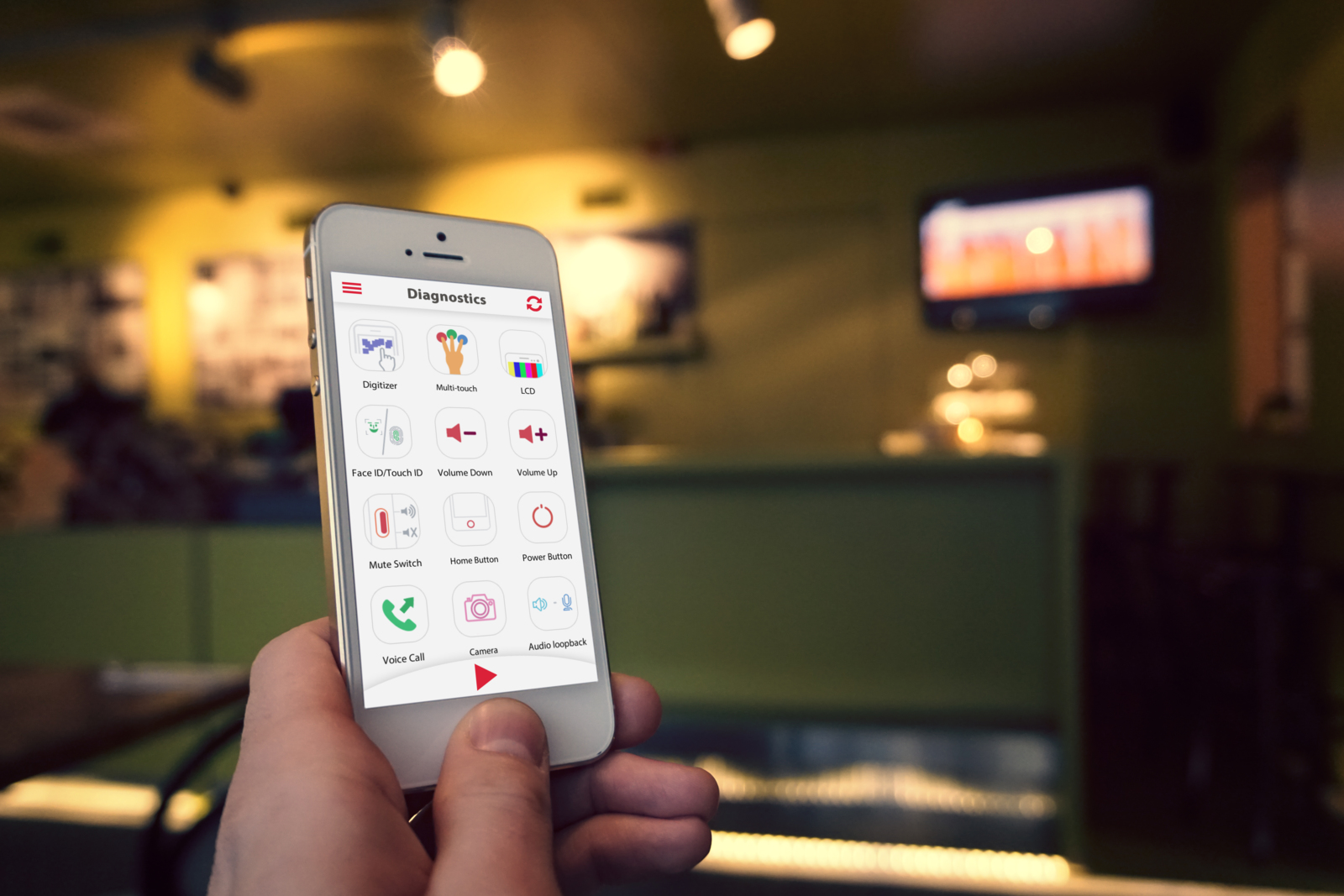
testPod is a device processing platform built for phone refurbishers and recyclers. It runs on your existing computers — no proprietary hardware required. A single operator can process 40–60 phones per hour by pipelining: while one device is being wiped, the next is running its 30+ point diagnostic, and the one before is printing its label.
Every device gets a cloud diagnostics and erasure certificate, accessible at hiteknova.com/results/[IMEI] or by scanning the QR label. testPod's data erasure is ADISA AAL Level 3 certified — the same certification tier used by enterprise-grade erasure providers. It also wipes locked Samsung devices.
Pricing is straightforward: $30/month per computer, which includes 100 devices. Volume above that runs from $0.30/device, with bands down to $0.05/device at scale.
If your operation is growing into this market — or you want to make sure your process holds up at higher volume — a free 14-day trial gives you 25 devices to run through the system, no card required.