If you sell refurbished phones through eBay or Back Market, the standards have moved. Both platforms tightened their seller requirements in 2026 — and the common thread is documentation. Not just your word that a device was tested and wiped, but a verifiable record.
eBay Refurbished: Three New Conditions, One Rule Gone
eBay launched three gated item conditions for phones: Excellent, Very Good, and Good. At the same time, eBay removed the "seller refurbished" condition from the Cell Phones & Smartphones category entirely. Every phone listing now needs to qualify for one of the new tiers — and qualifying means documentation, not just your description.
To be eligible to sell in the eBay Refurbished program, you need to:
- Be an eBay Top Rated Seller in overall good standing
- Maintain at least 98% positive feedback
- Provide a letter of authorization or purchase order from a manufacturer partner
- Keep your "item not as described" complaint rate below 4%
- Offer free shipping and a minimum 30-day return window
Every item in the program is also backed by an Allstate warranty of one or two years. eBay provides the warranty; you maintain the grade. The practical effect is that your grading needs to be consistent and defensible across every device you ship, not just the ones that get inspected.
Back Market: Tight by Design
Back Market has always been selective. On average, one in three applicants is accepted. New sellers serve a 60-day probation period limited to ten devices per day. After that, the operating rules are strict:
- Ship within 24 hours of receiving an order
- Deliver within 72 hours — no exceptions
- Comply with Back Market's Quality Charter at all times
- Offer a warranty to buyers
Back Market only allows certified refurbishers to list devices. Staying on the platform means your process holds up under ongoing scrutiny, not just at onboarding.
What Both Platforms Are Really Asking For
Strip away the specifics and both eBay and Back Market are asking the same question: can you prove it? Prove that the device was tested to the grade you listed. Prove that data was erased — not factory reset, but wiped in a way that leaves an auditable record. Prove it consistently, at whatever volume you're running.
A QR-linked Cloud Diagnostics & Erasure Certificate, issued per device and viewable by anyone who scans the label, is the kind of documentation these platforms are moving toward requiring — explicitly in some cases, implicitly through their feedback and dispute resolution systems in others.
Certified Erasure: the Specific Pressure Point
Factory reset is not the same as certified erasure. Factory reset leaves no external record, cannot be audited, and does not meet any published data security standard. If a buyer later disputes that their device arrived data-free, a factory reset gives you nothing to stand on.
Certified erasure against a recognized standard produces a certificate that travels with the device. In Europe, ADISA is the baseline standard; NIST 800-88 applies in North American and global enterprise contexts; R2v3 is the sustainability and security framework for certified recyclers.
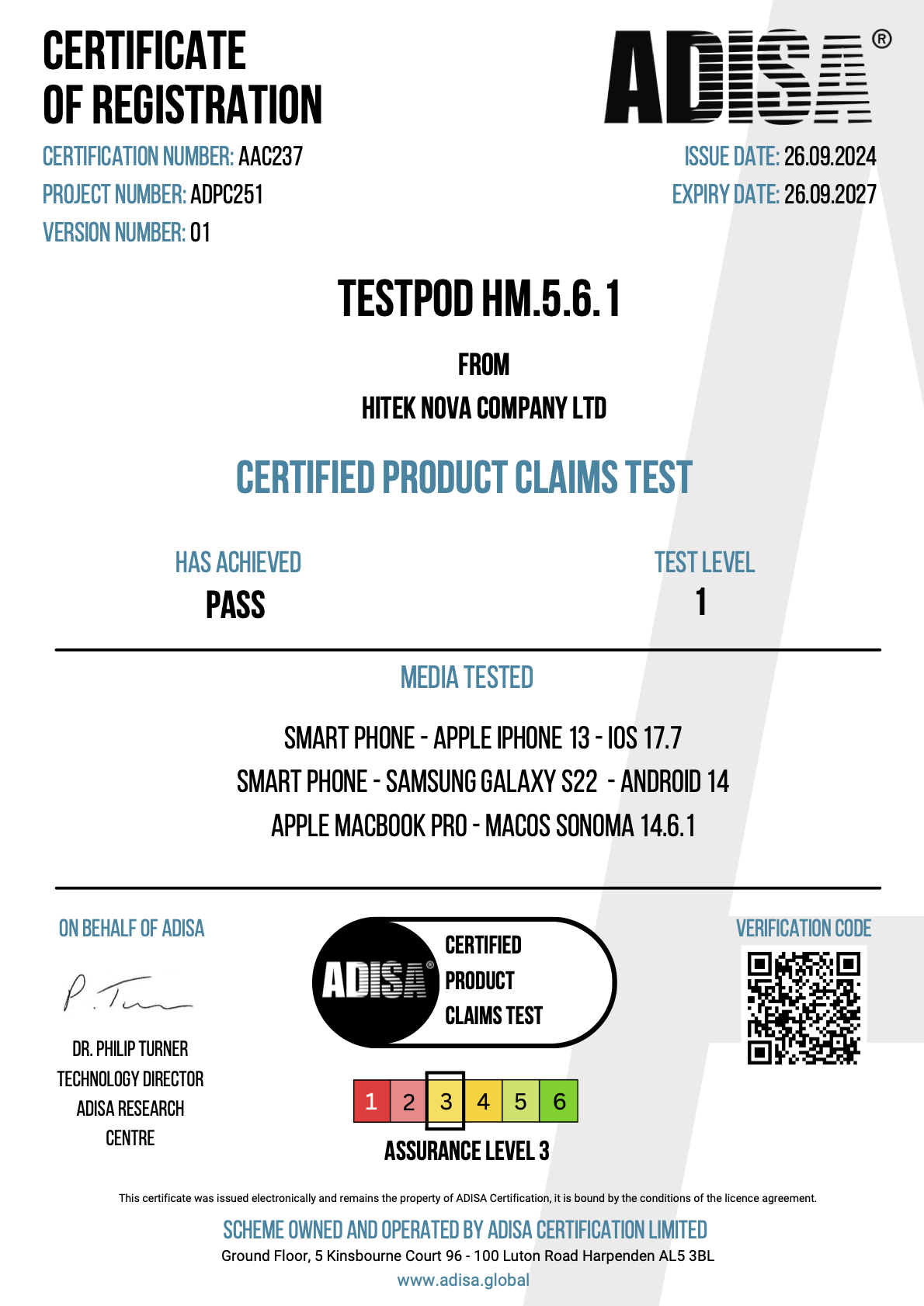
testPod holds ADISA AAL Level 3 certification (Certificate ADPC251, valid to September 2027) — the same certification tier as major dedicated erasure vendors. Every device processed through testPod receives a Cloud Diagnostics & Erasure Certificate, accessible via QR code at hiteknova.com/results/[IMEI].
The Market Context
The secondary smartphone market is projected to grow from $65 billion in 2025 to nearly $97 billion by 2031. The platforms raising their standards are doing so because the category is growing and they want professional sellers — not casual ones — handling that volume. Meeting eBay and Back Market's requirements is less a hurdle for an established operation than a filter against operators who aren't running consistent processes.
Where testPod Fits
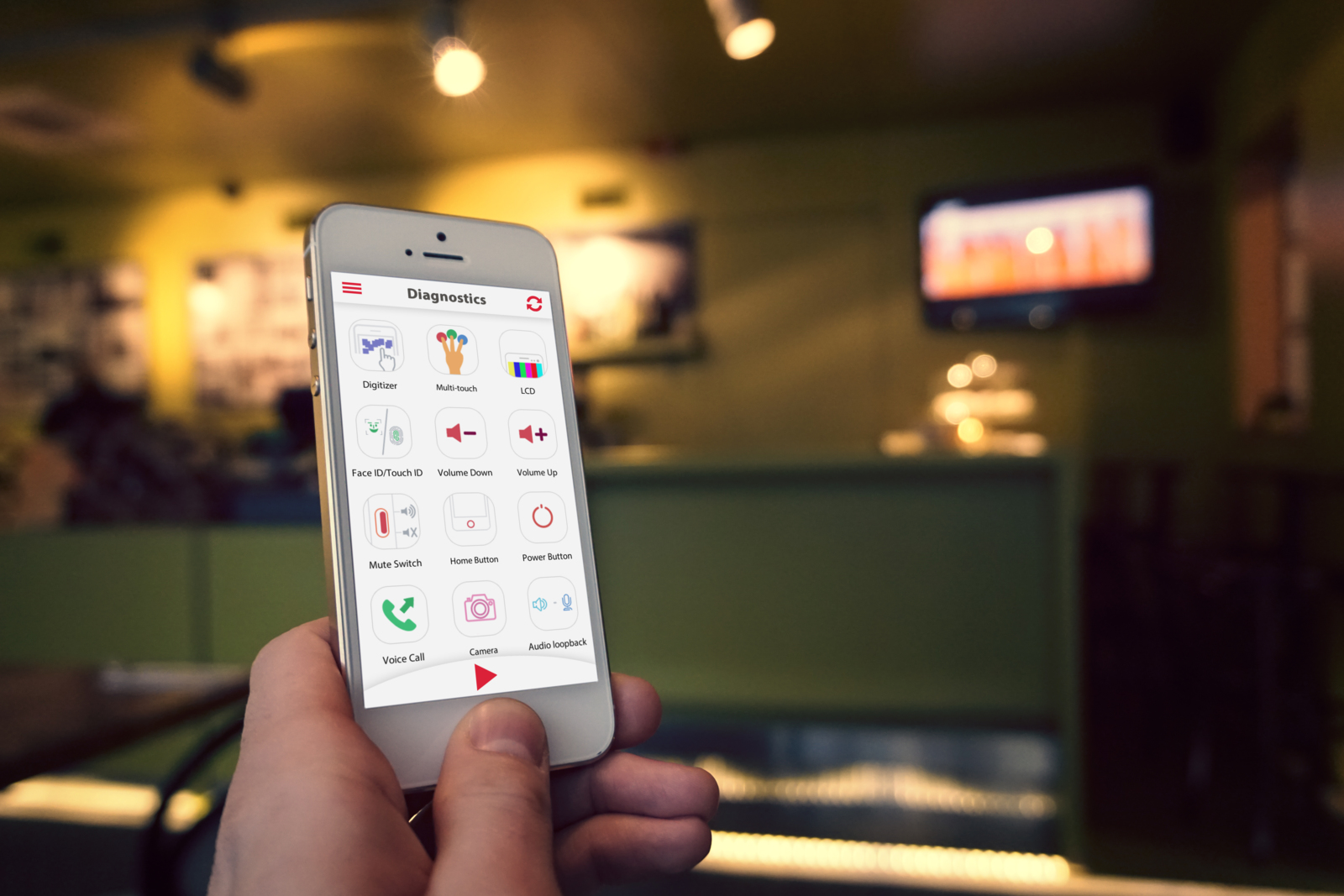
testPod is a device processing platform for phone refurbishers: test, grade, wipe, label, and export — in one workflow, on your existing computers. No proprietary hardware required.
Testing costs $30/month per computer, which includes 100 device checks. There's a free 14-day trial (25 devices, no card required) if you want to test it against your current process.