The Apple keynote is September 9. When that event ends, the used iPhone market moves.
It happens every year. A new model is announced, carriers and retailers discount the previous generation, and consumers who want to upgrade start looking at what their current phone is worth. Trade-in volumes rise. Wholesale buying picks up. And the devices that enter the secondhand market in September and October set the inventory picture for the rest of the year.
What happens to values at launch
SellCell, which tracks trade-in prices across hundreds of iPhone models, found that 75 percent of iPhones it followed lost value between Apple's announcement day and the date the new model went on sale — across three consecutive launch cycles: iPhone 15, 16, and 17. During the iPhone 17 launch window alone, 50 of 54 models tracked saw price drops. The average loss was $36.46 per device. One model lost 20 percent of its value in ten days; the largest individual dollar loss was $129 on a single model.
The mechanism is straightforward: supply rises faster than demand as sellers rush to trade in before further depreciation. For wholesalers and refurbishers who buy in this window, the compressed values are the opportunity — provided they can move the inventory before the market stabilises.
What that means for your bench in September
A refurbisher sourcing iPhone 13s, 14s, 15s, and 16s in the weeks around the Apple event is making a timing bet. The buy side is favourable. The risk is on the processing side: how quickly can those devices go from intake to a finished, documented, sellable unit?
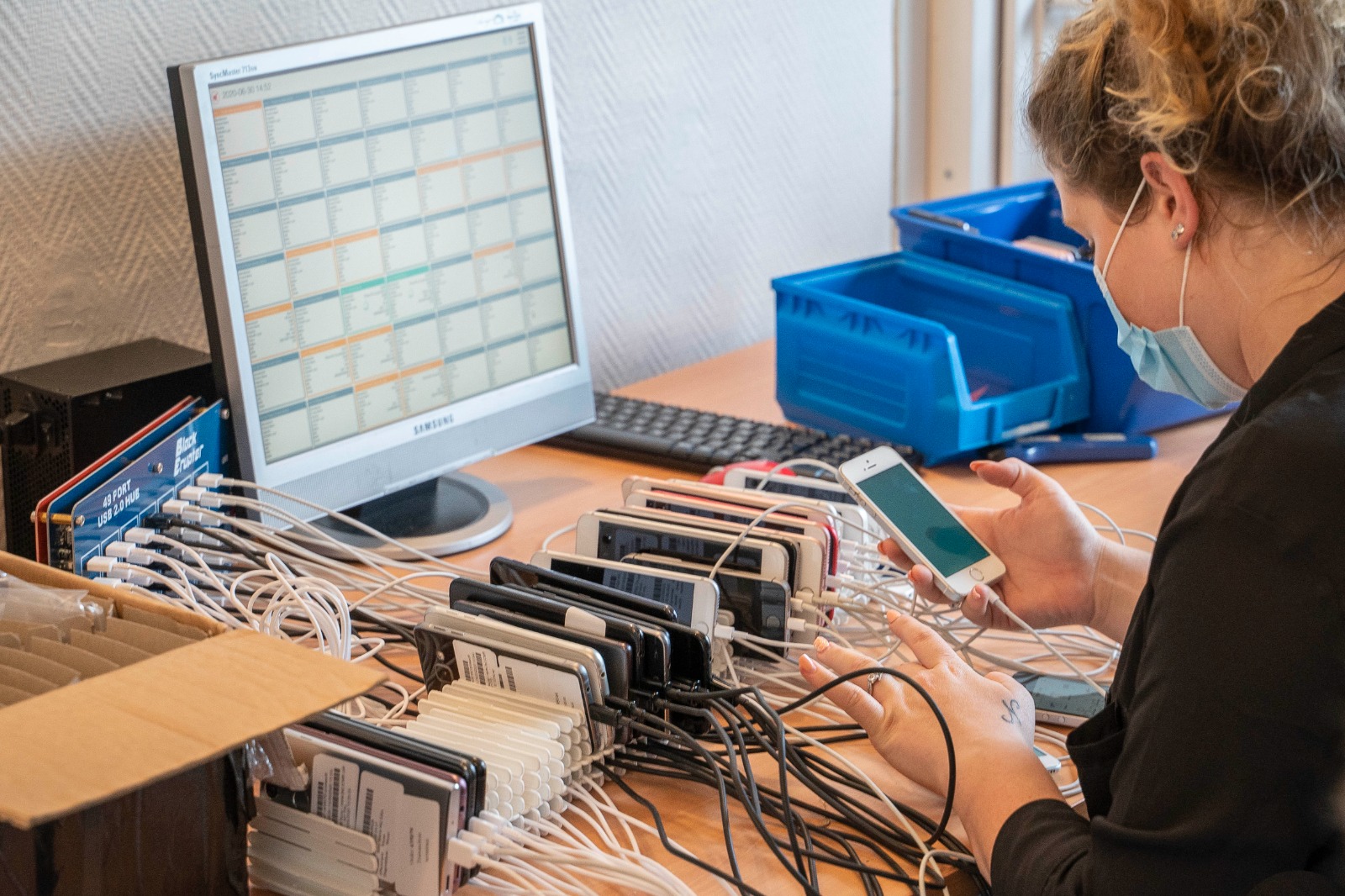
A device sitting unprocessed for a week while the wholesale market recovers costs margin. A device processed and listed the same day does not.
Throughput in this context is not about working faster — it is about removing the steps where the human is the bottleneck. Reading device information by hand, running individual tests one at a time, writing up labels and records separately: each of those adds time between intake and a finished listing. In a high-volume September window, those minutes stack.
Documentation is the other side of it
A busy intake period also creates documentation risk. A grade assigned under time pressure, a test skipped during a long shift, a battery figure nobody updated — each one is a potential return. Software does not forget and does not mistype: the same checklist runs on every device automatically, and the result goes directly onto the label and into the per-device certificate.
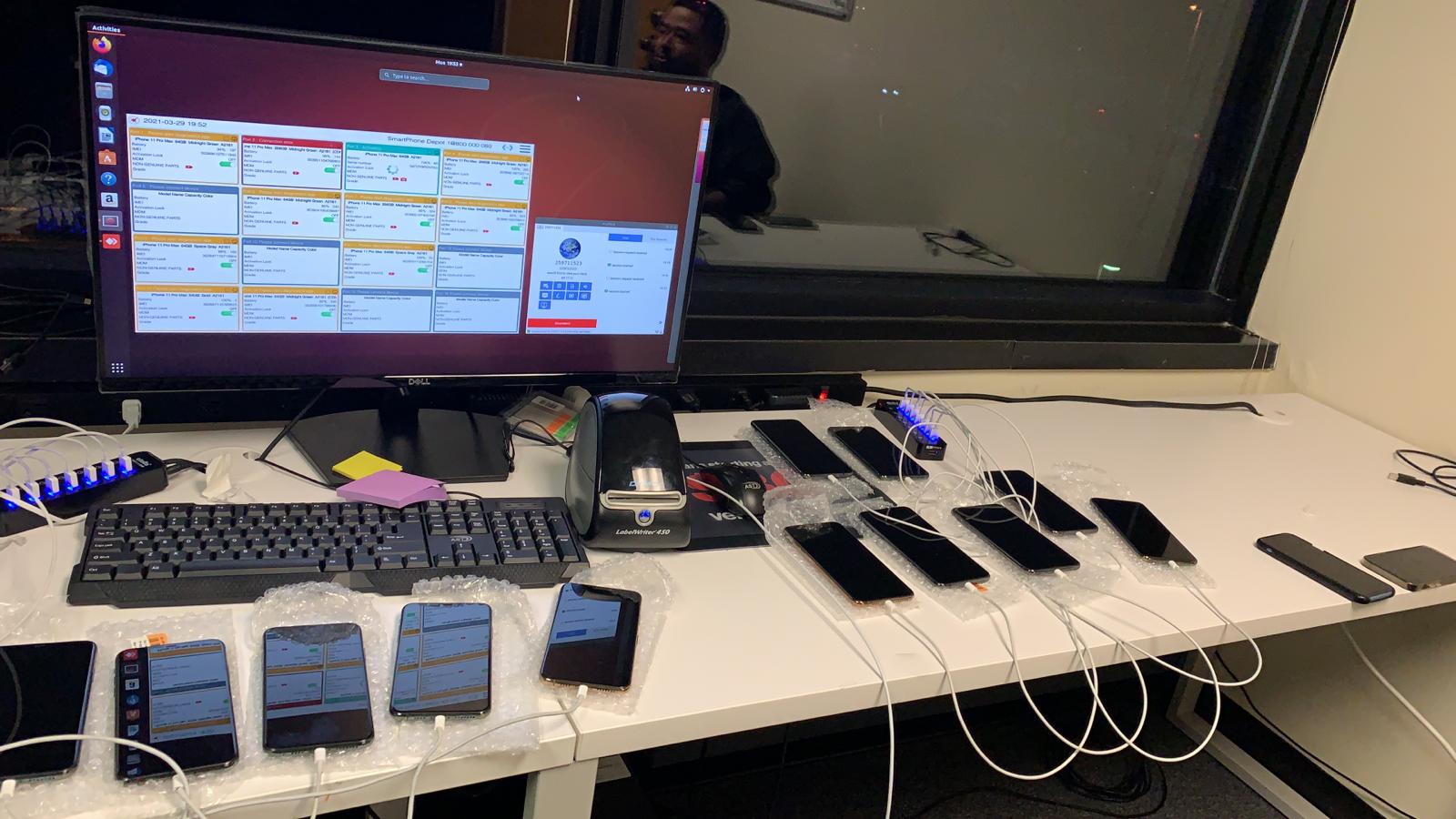
That certificate is also a tool your buyers use. A wholesale buyer purchasing in volume wants the grade and battery figure for each device in a lot, not just the average. The seller who provides per-device documentation as a standard part of every sale is a supplier a buyer stays with — which matters most when everyone is selling the same September inventory at the same time.
Getting the bench ready now
testPod is desktop software that reads, tests, erases, labels, and reports used devices — up to 45 at once, on the computers you already own. Built for wholesalers, refurbishers, IT asset recovery, and repair shops. One operator running 40–60 phones per hour means a September intake wave that previously needed a larger team can be handled with the staff you have.
The Apple event is September 9. Two weeks is enough time to run a trial batch on your current inventory and see where the workflow bottlenecks are before the volume arrives.
Free trial, no card required: hiteknova.com/en/register. $30/month per computer, includes 100 devices.